Following a Poker Tournament Through Its Level Changes Without Losing the Thread
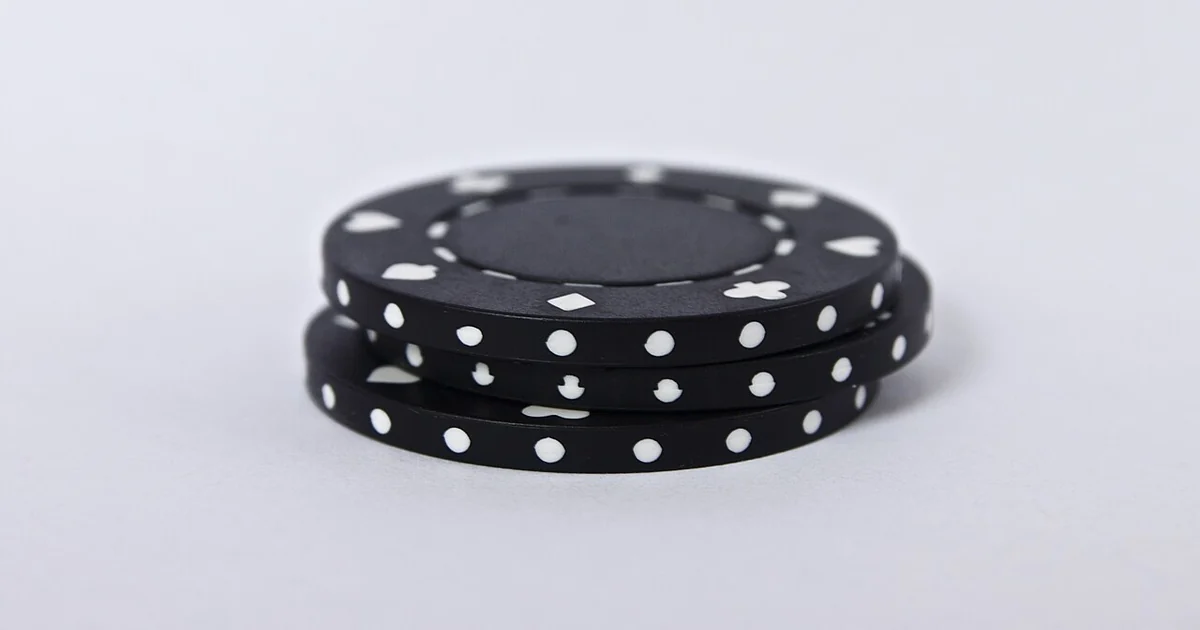
Tournament poker moves in steps. Blinds rise on a schedule, players are moved between tables, and the field shrinks until one player holds all the chips. Most fans follow this through a stream of posts, short clips, and live notes, and it is easy to lose track of what actually happened and when. A useful habit is to anchor every update to the blind level in effect at the time. Blind levels give you a fixed reference point, so you can place a bust-out, a chip swing, or a table move in order without relying on timestamps that may be posted late or in a different time zone. This article describes a method for reading tournament updates by stage, the questions worth asking of any update, and a short checklist you can reuse for any event.
Why blind levels are the best timeline
A poker tournament has a built-in clock that most fans underuse. The blind structure rises at set intervals, and each level changes how much every decision costs. When an update says a player was short-stacked at a given level, you know roughly how many big blinds they had and how much pressure they were under. Timestamps tell you when a post went up; blind levels tell you the state of the game when something happened.
Posts often arrive out of sequence. A bust-out may be announced several minutes after it occurred, or a chip count may be reported from a break that ended before the next hand. Anchoring each note to its blind level lets you reorder the feed mentally. If two updates reference the same level, they belong to the same stretch of play, even if they appeared hours apart.
Sorting updates by stage
A workable approach is to split a long event into three stages: the early levels, where stacks are deep and most eliminations are unlikely; the middle levels, where the field thins and chip leads begin to matter; and the bubble and final tables, where payout jumps and short stacks change behavior. Each stage has its own kind of update. Early-stage notes usually concern table draws and chip counts. Middle-stage notes track who is gaining ground. Late-stage notes focus on payouts and the final table lineup.
When you read an update, ask which stage it belongs to before you judge its importance. A small chip swing at level two means little. The same swing at the bubble can reshape the rest of the event. Tagging each note with its stage keeps you from overreacting to minor movements and from missing the moments that carry real weight.
Questions to ask of every tournament update
Not every post deserves the same trust. Before you treat an update as settled, check a few basics. Which blind level was in effect? Was the chip count stated as a total or as a figure relative to the average stack? Did the update describe a result that has been confirmed, or a result that was reported while play was still in progress? Is the change described as a bust-out, a move to another table, or a rebuy or re-entry, and do those terms match what the event's own structure allows?
Also ask whether the update reports what happened or interprets it. Phrases such as 'a crushing blow' or 'a dominant run' describe a reading of the hand, not the hand itself. Separate the factual core, such as who won the pot and at what level, from the framing added around it. You can still enjoy the framing, but keeping the two apart makes your picture of the event more accurate.
A practical checklist for following an event
Here is a short routine you can apply to any multi-day tournament. First, write down the blind level at the start of each day and at each break. Second, record major chip counts as they appear, noting the level next to each one. Third, log every elimination with the level and the table where it happened. Fourth, when two sources disagree, prefer the one that states its level and timing clearly. Fifth, at the end of each day, rebuild the standings in order of blind level rather than post order.
This method takes a few minutes per session and pays off when an event runs across several days. It also makes it easier to explain later what happened and why a result mattered. You are not trying to predict outcomes; you are trying to hold an accurate record of a game whose state changes every time the clock ticks forward.
Keeping the thread across breaks and restarts
Breaks and day changes are where most fans lose the story. Play stops, the feed goes quiet, and when it resumes the field has moved. Before a break, note the last confirmed chip leader, the number of players remaining, and the next blind level. When play restarts, check those three details first. If the field size or the leader has changed in a way you did not see, look for the update that explains it instead of assuming an error.
Treat the blind schedule as the spine of the event and every update as a rib attached to it. Once you read tournaments this way, the story becomes easier to follow, and you can tell the difference between a moment that shaped the event and one that merely filled space in the feed.